
The complete guide
Choosing a Six-Cup Glass Pour Over Coffee Maker
A coffee machine can be convenient, but it can also leave you with little say in how your coffee is made. If you want to slow down and take charge of the pour, a manual brewer offers a different routine. You measure the coffee, heat the water and watch the brew collect.
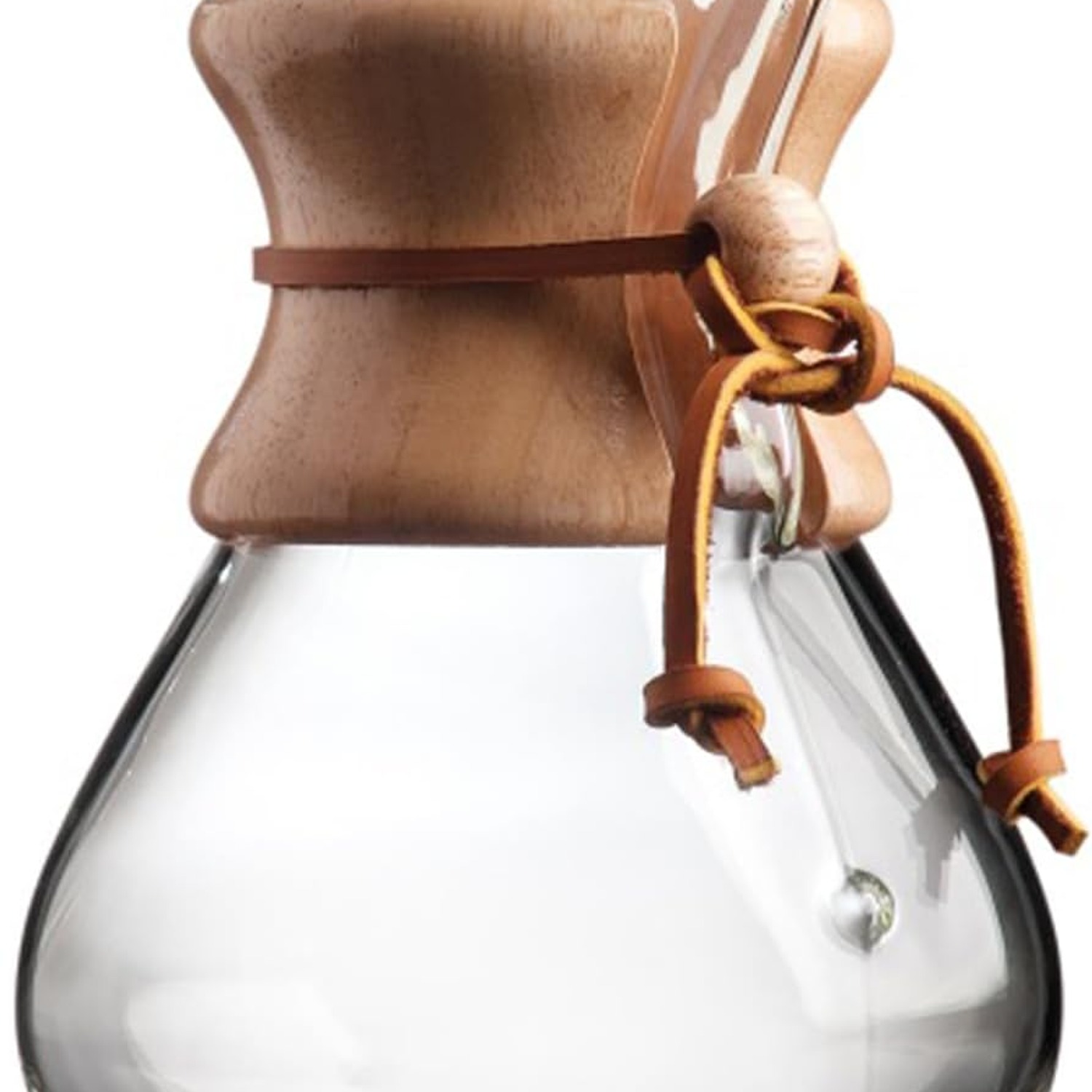
This 6 Cup Glass Pour Over Coffee Maker uses paper filtration and a clear glass vessel. There is no automatic brewing cycle to learn. The main choice is whether you enjoy being involved in the process, including the preparation and cleanup.
Before buying, look beyond the six-cup name. Serving size, filter fit and care matter just as much as appearance. A few details in the maker's description also need checking, especially the dimensions and the capacity listed by weight.
What manual pour over brewing involves
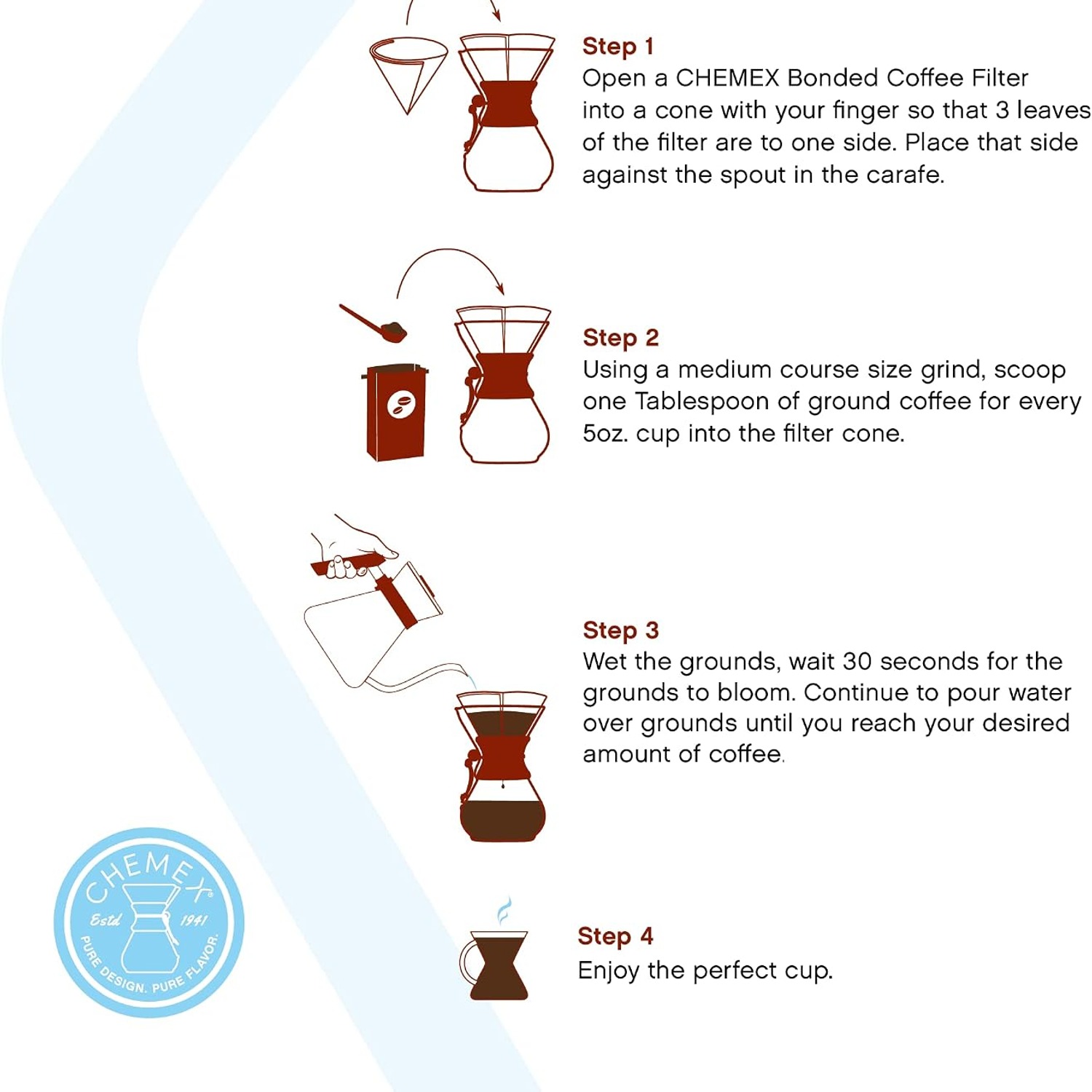
A manual pour over coffee maker puts you in charge of adding the water. A suitable paper filter holds the ground coffee while brewed liquid passes into the vessel below. You need a separate source of hot water, along with coffee and compatible filters.
That hands-on approach lets you change your method from one brew to the next. You can adjust the amount of coffee or water and pay attention to how you pour. It does not promise a perfect cup on its own. Your ingredients and approach still matter.
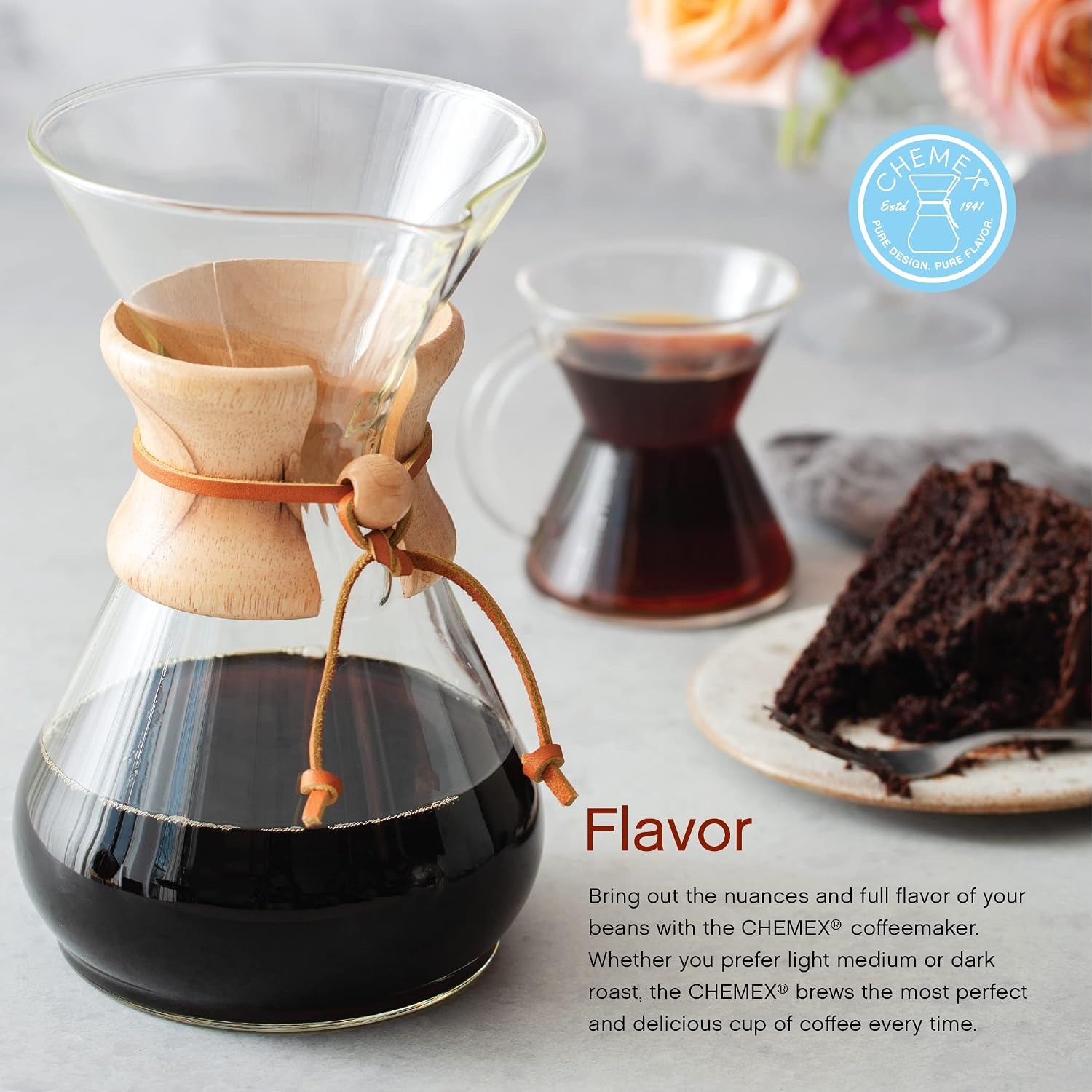
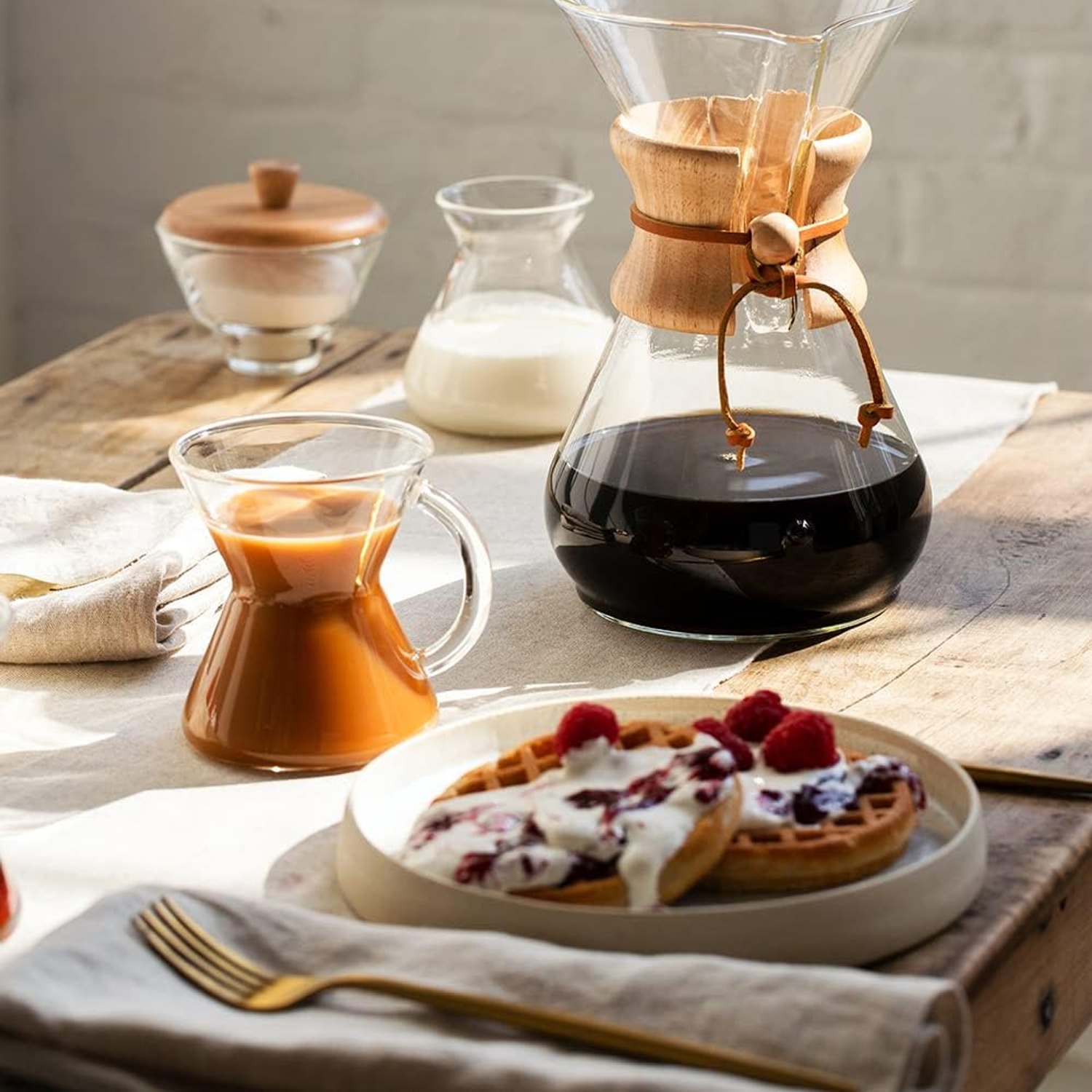
The clear glass makes the process easy to watch. You can see coffee collecting rather than waiting for a hidden tank or an automatic cycle to finish. For someone who enjoys slow coffee brewing, that small bit of involvement may be part of the appeal.
Understand the six-cup label
The most useful size detail here is the stated cup measure. Each cup is counted as 5 oz. That is smaller than many mugs used for morning coffee.
Think about the cups you actually fill. If you and another person use large mugs, a six-cup coffee maker should not be read as a promise of six full mugs. Compare your usual serving with the stated measure before deciding whether the size suits you.
The maker's description also lists capacity as 850 grams. That is a weight measurement, so it should not be presented as a confirmed 850 ml liquid capacity. If a precise usable volume is essential, ask for confirmation before ordering.
This distinction is worth making when choosing a coffee maker for sharing. A model name can help you compare products, but your own serving habits are the better guide to how much coffee you need.
Choose filters before your first brew
This is a paper filter coffee maker, and filters are not included. Buying the brewer without suitable filters means you will not have everything needed for the first cup.
The maker's details includes a generic filter size of #6. It also names FP-1, FC-100, FS-100 and FSU-100 filters. Do not assume every filter carrying a similar number will fit in the same way. Check the exact compatibility with this brewer before buying a pack.
Filter fit matters because the paper needs to sit properly and hold the grounds during brewing. If you already have filters at home, compare their stated compatibility rather than choosing by appearance alone.
Reusable metal filters are not confirmed for this model. If avoiding disposable paper is a firm requirement, settle that question before purchasing. It is better to check an accessory match than to build a coffee routine around an unsupported part.
Decide whether manual brewing suits your day
A manual drip coffee maker suits a person who wants to spend some time making coffee. You are present for the pour, and you handle the used filter afterward. That may feel restful on a quiet morning or less useful when you are trying to get out the door.
Consider when you will use it most. A weekend coffee routine can have different needs from a weekday one. There is no need to choose the same brewing method for every occasion.
If your priority is pressing a button and returning to ready-made coffee, this brewer may not be the right match. It is manually operated, and no timed start or powered warming function is listed.
For someone learning about home filter coffee, it offers a way to make changes directly. Keep the process simple at first. Use a repeatable amount of coffee and water, then change one part of your method at a time.
What glass adds to the experience
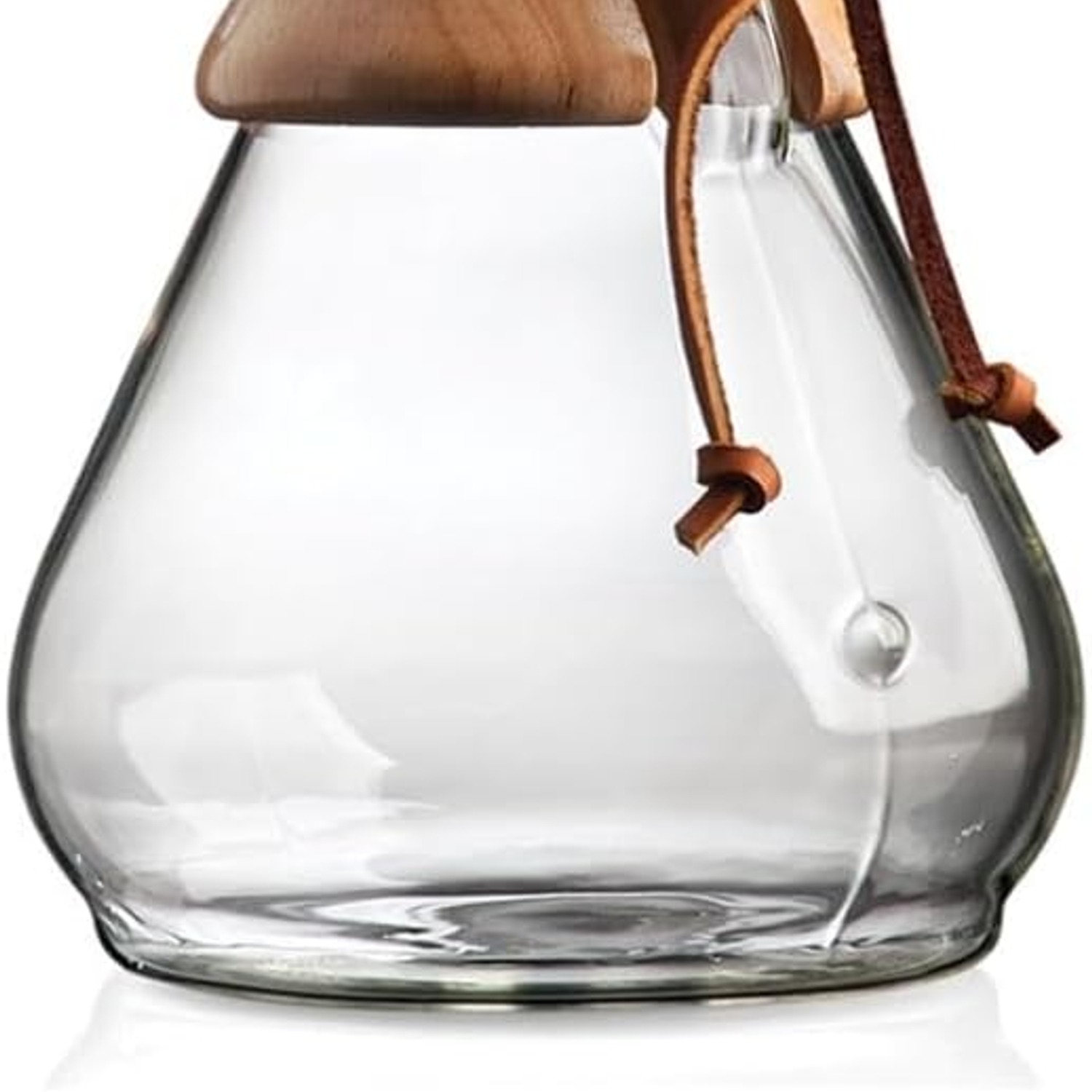
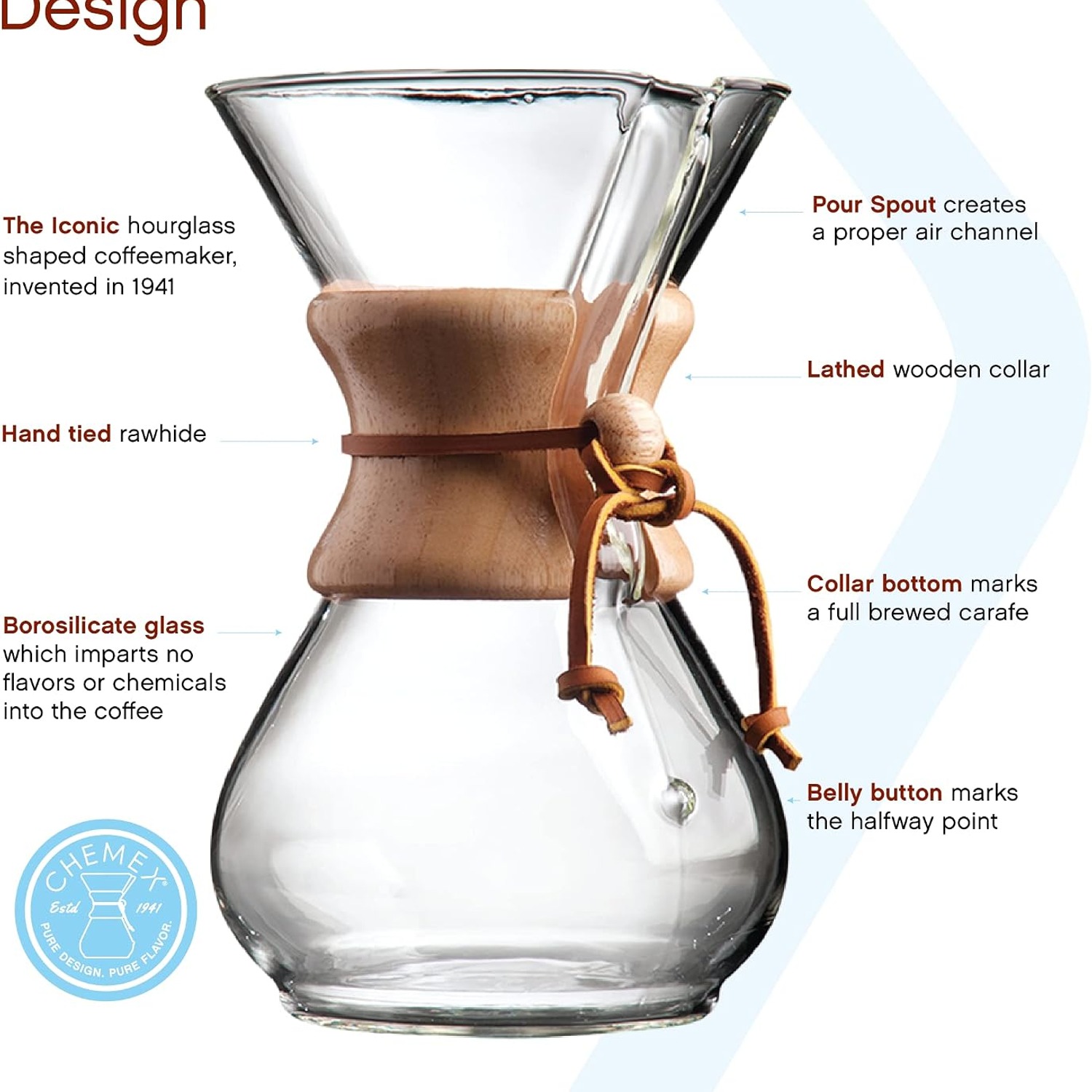
The product information describes clear borosilicate glass in a classic style. A glass coffee brewer lets you see the drink collect and keeps the brewing vessel visually simple.
That visibility can be useful when learning your routine. You can watch the progress of the brew and see how much coffee has collected. It also makes it easier to notice when the carafe needs cleaning.
Glass still needs careful handling. Borosilicate glass should not be treated as unbreakable, and its presence does not establish that the brewer is safe on a hob. Direct heat compatibility is not provided by the maker.
Keep the carafe on a stable surface and give yourself room to pour. Avoid knocking it against a tap or sink edge during washing. Check for damage before each use, especially if it has been bumped.
Check the space and equipment you need
The supplied dimensions are 6.3 D × 9.6 W × 1.4 H cm. Those figures need confirmation before you use them to judge cupboard space or countertop fit. Do not plan a tight storage spot around an uncertain measurement.
Think about the working area as well as the place where the brewer will sit. You need space to handle hot water safely and somewhere to set down your pouring vessel. A clear work surface makes a hands-on routine easier.
A basic pour over coffee setup also needs ground coffee, compatible paper filters and a way to heat water. A grinder is not listed as part of this product. Nor is a lid identified in the package contents.
If you want to measure your coffee and water consistently, consider how you will do that with your existing kitchen tools. You do not need to buy every coffee accessory at once. Start with the items required to brew safely and repeat your preferred method.
Build a repeatable coffee routine
When trying a new brewer, changing everything at once makes it harder to learn what you like. Start with a method from the supplied brewing instructions or your coffee roaster, then keep a short note of what you used.
Record the coffee amount and water amount. If the result is not to your taste, adjust one factor on the next brew. This gives you something useful to compare rather than relying on memory.
The best manual pour over coffee maker for your home is one you are happy to use regularly. Ease of handling, serving size and cleanup can matter more than chasing a complicated technique.
Remember that a non electric coffee maker still depends on hot water from somewhere else. Plan the full routine, including heating the water and dealing with the filter, rather than judging only the pouring step.
Clean it without making the job harder
The maker says the coffee maker is dishwasher safe. Follow the instructions supplied with the product, especially for any separate parts. The maker does not provide detailed dishwasher settings.
For hand washing, allow the glass to cool first. Remove the paper filter and grounds, then use mild detergent and a gentle cleaning tool. Rinse thoroughly so detergent is not left behind.
Avoid abrasive scrubbers and sudden temperature changes. Putting hot glass straight into cold water is not a sensible shortcut. Letting the vessel cool also makes it easier to handle safely.
Glass pour over cleaning is easier to keep up with when it becomes part of the brewing routine. Once the carafe is cool, clean it rather than leaving old coffee inside. Dry it and store it where it will not be knocked by heavier kitchen items.
Buying for someone else
A classic glass coffee maker can be a thoughtful gift for someone who likes making coffee by hand. It is less suitable for a person who only wants an automatic morning drink.
Check what they already own. Compatible filters are a useful addition because none are included here. Ground coffee may also help them get started, provided you know what they enjoy.
Before ordering, review delivery estimates for the destination. Read the current returns policy too, particularly if the gift may need to be exchanged.
The short version
Choose this glass pour over carafe if you want manual paper-filter brewing and are comfortable taking part in each brew. Its six-cup label uses 5 oz servings, so compare that with your usual mugs.
Confirm filter fit, check the dimensions if space is tight, and review delivery and return terms before buying. With those questions settled, the decision comes down to a simple preference: whether you want coffee making to be a task you join in with, rather than one a machine handles for you.